

Sustainability
Sustainability at Green Grid Solutions is structural, not symbolic.
Our projects are designed to deliver measurable environmental outcomes by converting waste wood that would otherwise be landfilled, openly burned, or left to decompose into usable electricity. This approach avoids methane release, displaces fossil fuel generation, and creates value from material already present within existing waste streams.
Sustainability is not an overlay at Green Grid Solutions. It is embedded in how projects are sourced, engineered, financed, and operated.
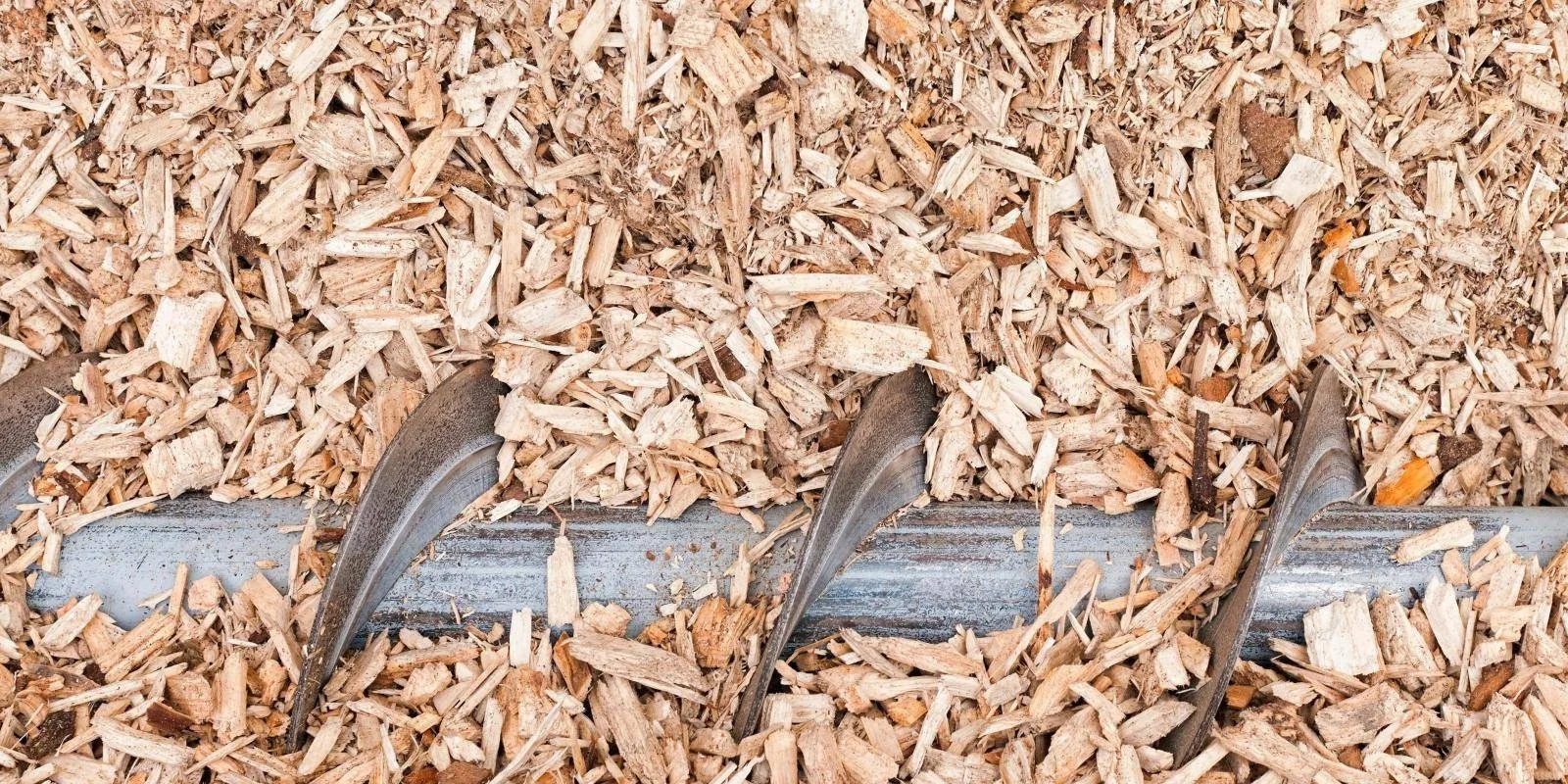
Zero Emissions Operations
Green Grid Solutions facilities operate using a clean processing model designed to produce zero operational emissions.
Our infrastructure is engineered to:
Avoid uncontrolled combustion practices
Eliminate landfill dependence for biomass waste
Utilize material through regulated industrial processes
Support cleaner long term energy infrastructure
The result is a responsible system that transforms residual biomass into productive energy while maintaining zero emissions facility operations.
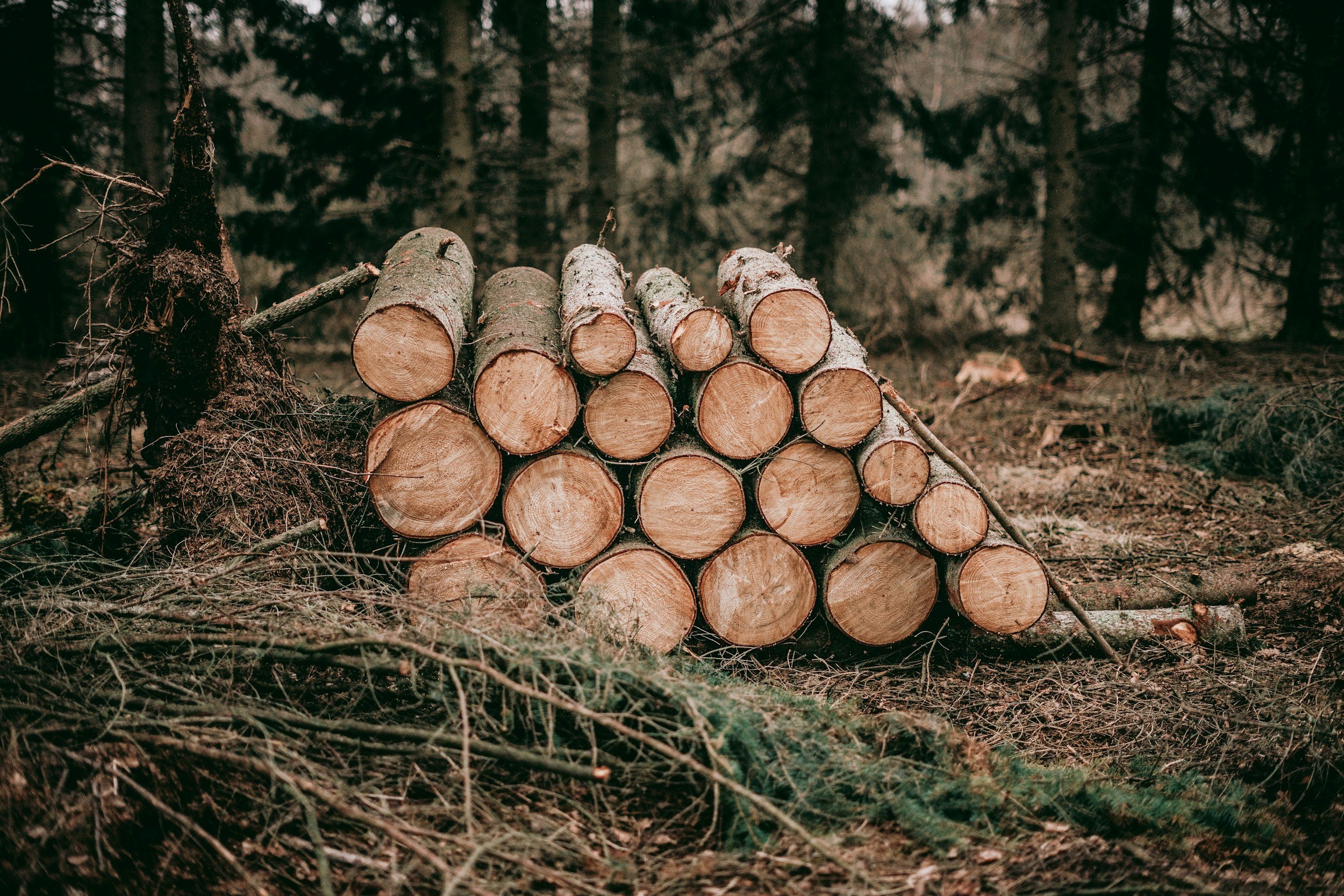
Lifecycle Based Sustainability
We focus on measurable outcomes evaluated across the full lifecycle of each project rather than short term claims or offsets.
Our approach includes:
Verified feedstock sourcing
Continuous and dispatchable power production
Long operating facility lifespans
Durable infrastructure designed for decades of performance
Sustainability is assessed through operational performance and longevity rather than temporary environmental measures.
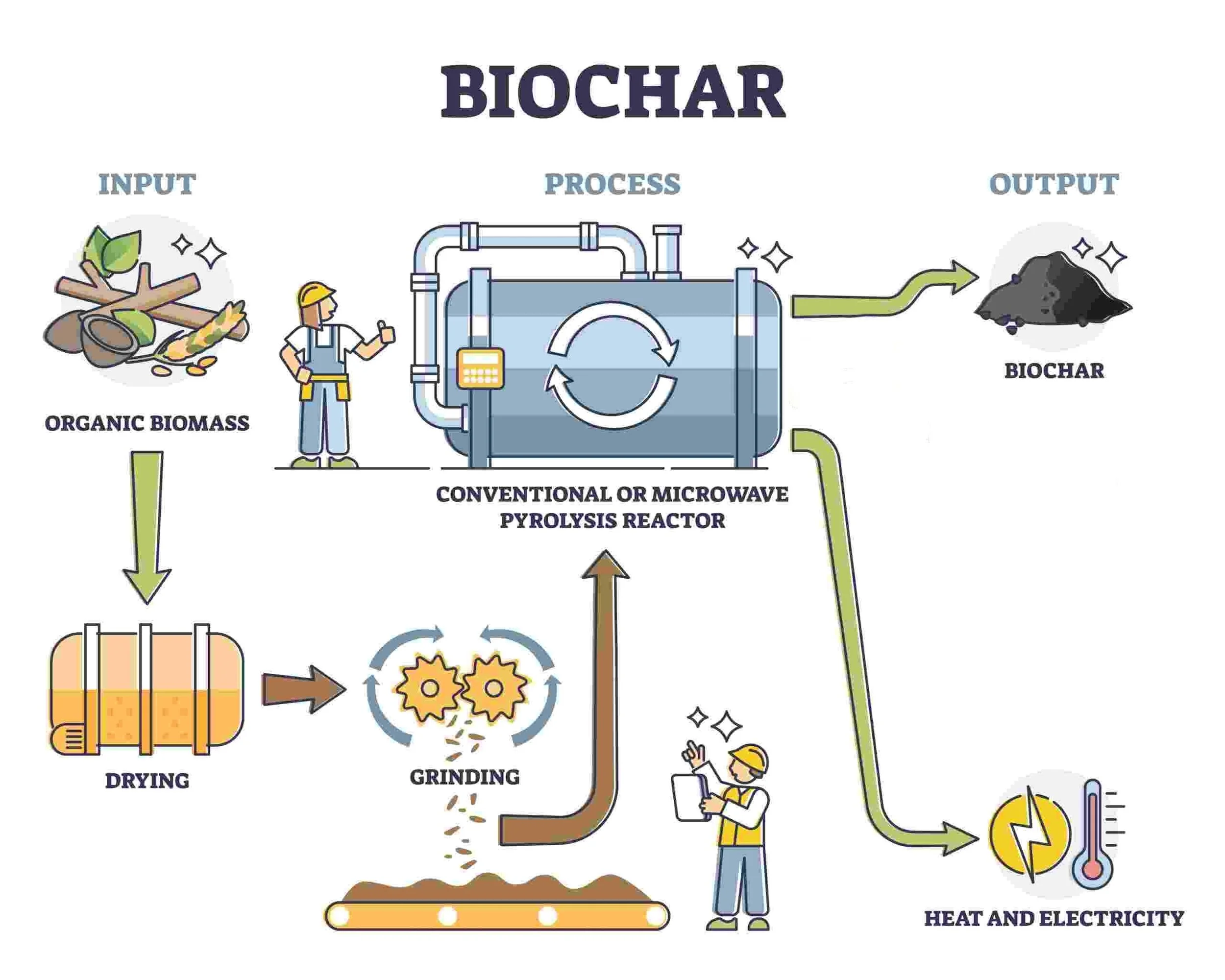
Supporting Working Forest Economies
Green Grid Solutions strengthens regional economies connected to responsible forestry and land management.
As traditional paper mills have closed across many regions, logging operations have lost nearby markets for residual wood material. This has increased transportation distances and reduced economic efficiency for forestry operators.
Green Grid Solutions provides a new local outlet for woody biomass, helping:
Sustain working forest economies
Reduce transportation impacts
Support responsible land management practices
Create stable demand for forestry residuals
Strengthen the long term viability of the logging industry
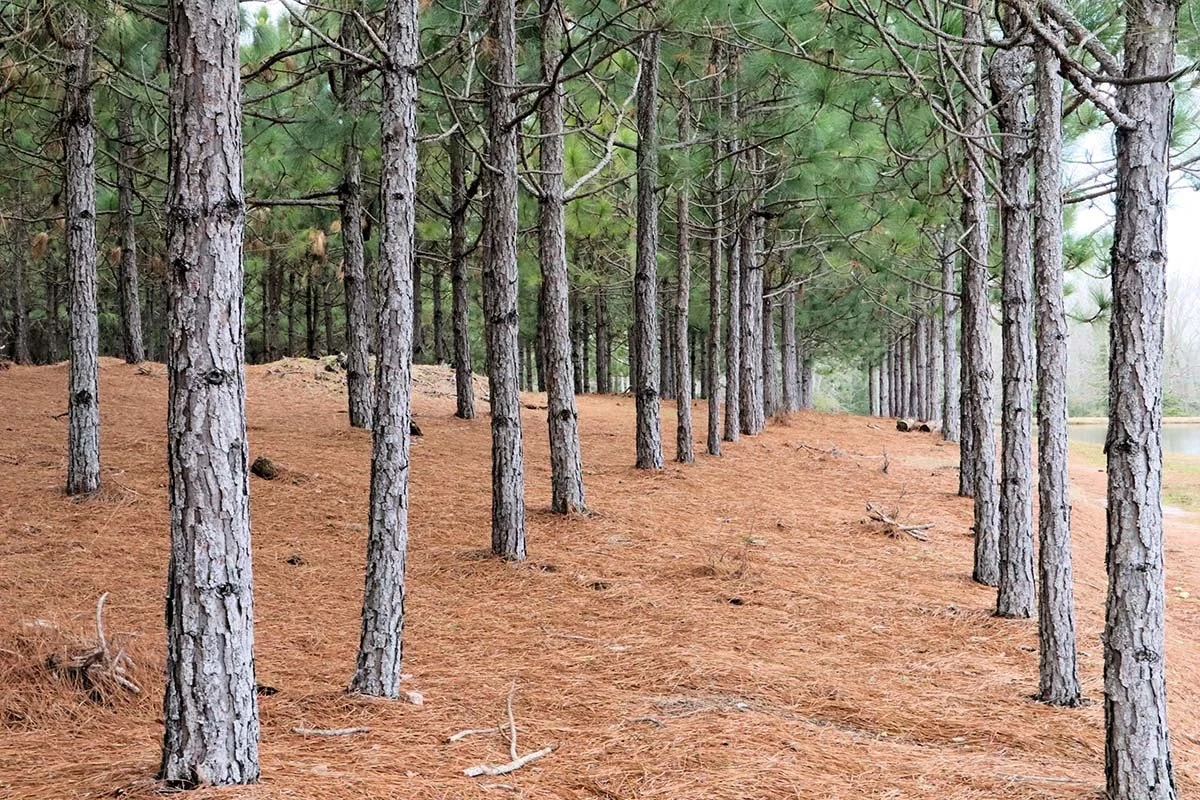
Why Biomass Utilization Matters
Woody biomass left unmanaged in the field naturally decomposes over time. Under certain environmental conditions, decomposition produces methane, a greenhouse gas significantly more potent than carbon dioxide.
Providing a responsible utilization pathway reduces the likelihood of unmanaged decomposition while creating productive use from existing material.